
Fumes from the Cold War
Exploration of Tomorrow's Environmental Design

Dean McCoppin from "The Iron Giant" is a fascinating character to think about in the context of Feng Shui and Global Noble interests. Dean is an artist and a junkyard owner who values creativity and individualism, much like the principles of Feng Shui that emphasize personal space reflecting one's inner self and aspirations. Here's how you can draw inspiration from Dean for enhancing the Feng Shui of your space:
Creativity and Art: Dean’s life revolves around art and salvage, transforming what others see as junk into beautiful artworks. In Feng Shui, this transformation is akin to the renewal of energy. Consider incorporating art pieces or DIY projects that resonate with you into your space. This not only personalizes your environment but also keeps the energy fresh and vibrant.
Use of Metal: Dean’s environment is filled with metal, which in Feng Shui represents the element associated with harvest, efficiency, and precision. Metal can also attract wealth, especially when placed in the west or northwest areas of your space. You might include metal sculptures or furniture pieces that have a functional yet artistic flair.
Recycling and Upcycling: The practice of recycling or upcycling, which Dean embodies, can be reflected in Feng Shui by repurposing items with history and personal value. This not only reduces clutter by giving old items new life but also enhances the energy of the space through objects that have significant personal meaning. Look up “Kintsugi” when you have a chance, and consider what else you can apply it to in your life.
Connection with Nature: Dean’s lifestyle is unpretentious and functional, aligning with the Feng Shui principle of simplicity and minimalism to facilitate a smooth flow of energy. Like Dean’s open, semi-industrial space that still connects with the natural world around it, integrating elements of nature into your living or work environment can enhance your connection to the natural world, promoting health and prosperity. Plants, natural light, or even natural materials can help in harmonizing your space.
By integrating these aspects into our environment, we not only create a space that is aesthetically pleasing and unique but also one that fosters a positive flow of energy, conducive to creativity and the futuristic financial prosperity of network states much like the eclectic and inspiring frontiersman-like world of Dean in "The Iron Giant."
On Places where Deans can Dean:
Creating a Trust for Blue Zone Properties and Vehicles: Incorporating Blue Zone principles into the development and management of these properties could enhance their appeal and value. This could include designing spaces that encourage physical activity, social interaction, and connection with nature—key elements observed in Blue Zones (Skip down a bit for a refresher on blue zones)
Educational Systems and Health/Wellness Services: Your vision of a holistic educational system and health/wellness services could integrate lessons from Blue Zones. Emphasizing community building, physical health, and mental well-being could make your ventures more impactful and aligned with the principles that promote longevity and quality of life.
Real Estate and Architectural Projects: When designing and planning your dream house or other architectural projects, incorporating aspects like community spaces, gardens for plant-based foods, and designs that encourage physical activity (such as walking paths or communal areas) could reflect Blue Zone principles.
Sustainability and Local Products: Blue Zones often benefit from a strong connection to their local environment, which includes the consumption of local foods and sustainable living practices. Your interest in sustainability and local-global product integration can align closely with these aspects.
Is your Memory updating?
Remember: Blue Zones are regions of the world where people live significantly longer than average, often reaching ages over 100 at higher rates than elsewhere. The concept was popularized by Dan Buettner, who identified five specific areas known as Blue Zones: Okinawa (Japan), Sardinia (Italy), Nicoya (Costa Rica), Icaria (Greece), and Loma Linda (California, USA).
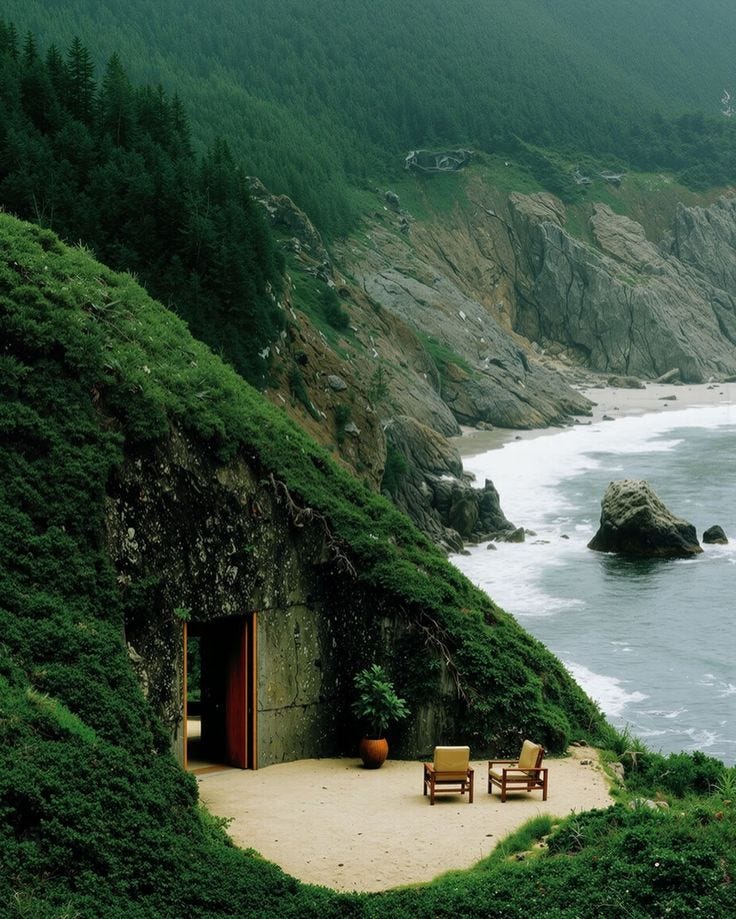
These areas are characterized by certain lifestyle factors that contribute to their residents' longevity, including:
Diet: Predominantly plant-based diets rich in legumes, whole grains, vegetables, and fruits, with minimal meat consumption.
Physical Activity: Natural physical activity integrated into daily life, rather than through planned exercise routines.
Social Engagement: Strong family bonds, active social lives, and participation in community or spiritual activities.
Stress Reduction: Techniques or cultural norms that mitigate stress, such as taking time to relax or having a strong sense of purpose.
I call this Master Splinter concept Traditional Expertise: Many elderly artisans have years, sometimes decades, of experience in their crafts. This expertise can bring a level of quality and authenticity to [any] products that is hard to replicate with industrial methods. Who will be the experts in our sunset years, and of what crafts/mediums??
Let’s take the tobacco crop for example:
Sustainability Practices: The Blue Zones are noted for their sustainable living practices. Integrating these into the production process could appeal to consumers who value environmental stewardship and ethical production methods. For example, traditional ways of cultivating and harvesting tobacco that are less reliant on chemical inputs and more in tune with natural cycles could be promoted.
Cultural Richness: Incorporating traditional practices from Blue Zones into your tobacco production could enhance the product story, making it not just about tobacco but also about preserving and celebrating cultural heritage. This could be a strong marketing point, especially in luxury or niche markets.
Community Involvement: Employing elderly artisans can help keep the local community engaged and supported, providing economic benefits while also preserving traditional skills. This community-centric approach aligns with the communal and supportive lifestyles observed in Blue Zones.
Health and Well-being: While working in tobacco production is not inherently health-promoting, ensuring that working conditions are safe, respectful, and accommodating for older workers can help maintain their well-being. Moreover, integrating other Blue Zone principles, such as social engagement and purposeful work, can contribute positively to their quality of life.
Preparing the next wave of humans isn’t about predicting the cool stuff or the stuff that’s bound to go wrong—it’s about shaping the conditions that unlimit ourselves. The model chill-hero is Dean McCoppin: a steady hand in a chaotic world, turning scrap into structure and dead-ends into possibility. His blend of creativity, restraint, and environmental design gives the blueprint.
The path forward is simple and demanding:
Design living spaces, not communes, that teach people how to think—clean flow, clear purpose, nature-tech harmonics. Build systems where recycling, upcycling, and long-form craftsmanship aren’t side hobbies but default modes. Anchor communities in Blue Zone principles so longevity, cohesion, and daily physicality become structural, not aspirational. Pair that with the “traditional expertise” pipeline: elders passing on precision skills so each generation inherits mastery, and the torch to explore not just information.
The result is a population trained to shape their own futures with high precision: creative like Dean, grounded in the Blue Zones, and operating inside environments engineered to reduce noise, boost resilience, and reward intentional action. In short—allow for the divine spaces, launch from virtue, and the humans compassing inside them will know exactly how to ride the frontier instead of fearing it.
Deus Vult
P J K